The Vines Come With a Calendar
Most of what I write about is in and around Lake Tahoe. This one sits at about 2,600 feet in the Santa Cruz Mountains above Los Gatos. It's called Lago Lomita, and I'm part of the listing team with The Oldham Group at Compass.
It belongs in this series because it shows something worth knowing before the first tour: a vineyard estate is a fundamentally different purchase than a house with a view. The vines come with a calendar, and the land comes with questions a typical home never raises.
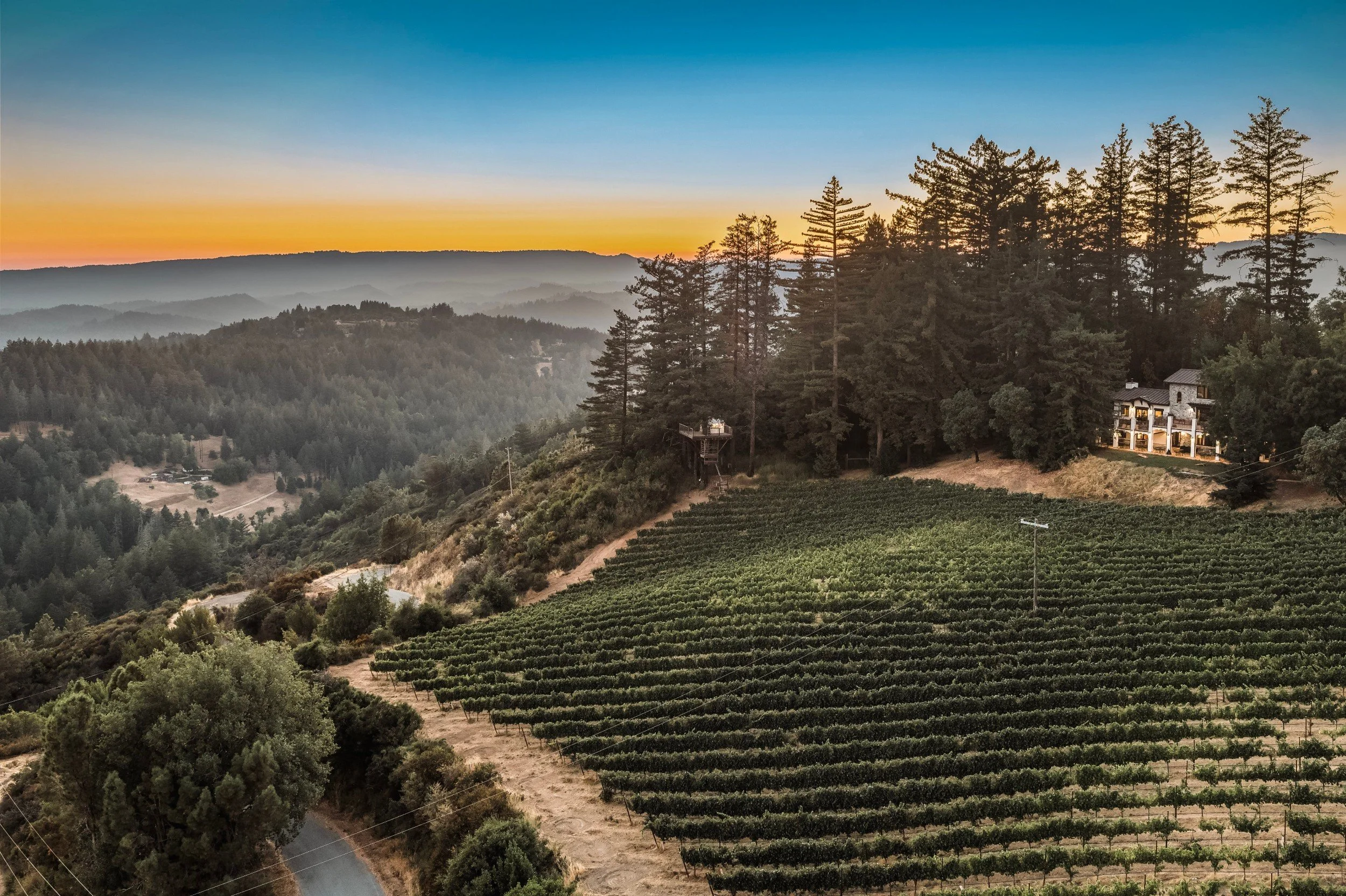
What's here
Lago Lomita covers about 44 acres at 25200 Loma Prieta Avenue in Santa Clara County. The main residence is an adobe home with four bedrooms, three baths and about 3,096 square feet per the MLS. The listing describes about 12 acres of planted vineyard, along with a treehouse, a yurt and a seasonal lake.
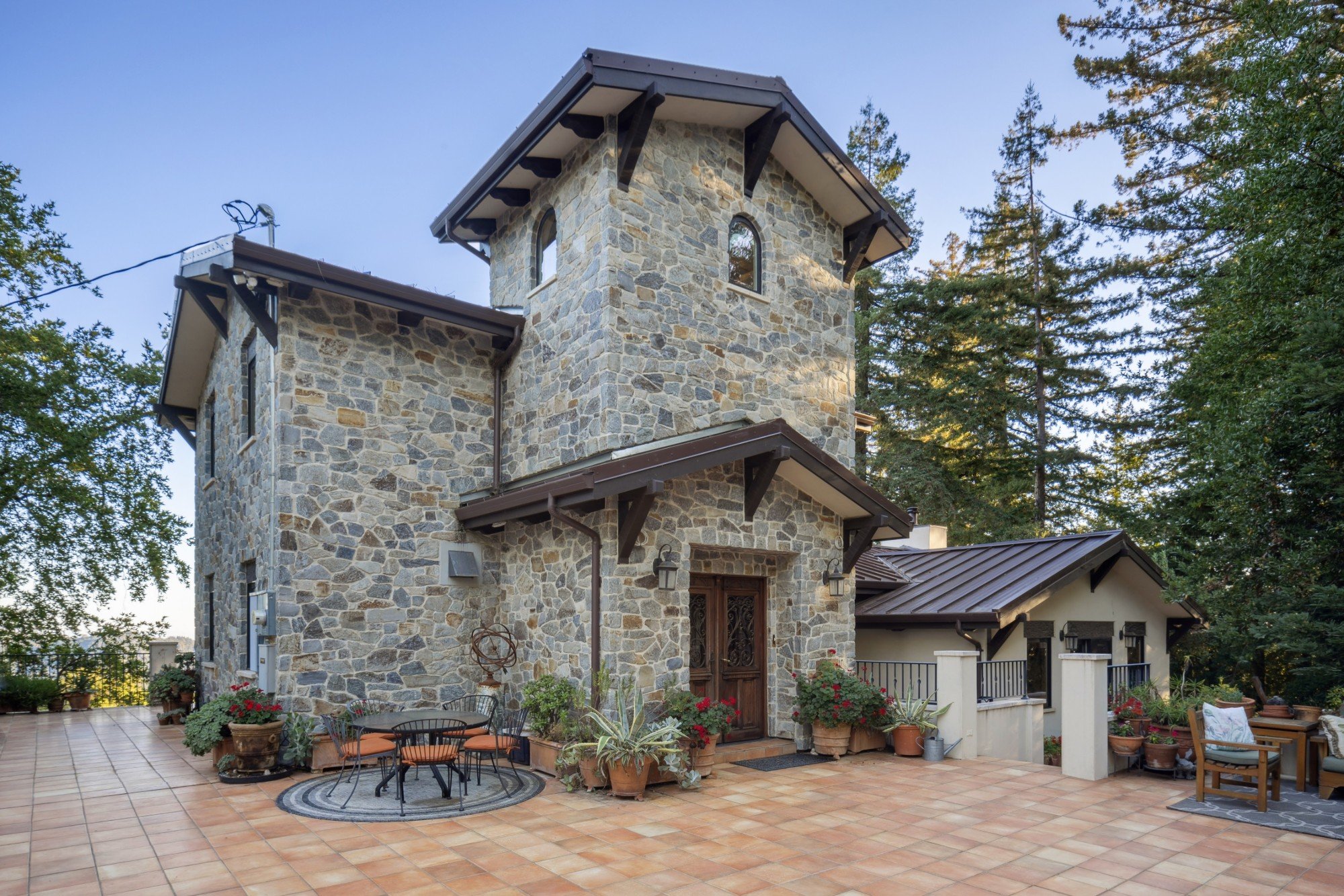
The property has a long story. According to a Mercury News feature, it had been through the 1985 Lexington Fire and the 1989 Loma Prieta earthquake before a long restoration began in 2011, with vines replanted starting in 2014.
Three Santa Cruz Mountains Reference Points
None of these three tells you what Lago Lomita is worth. Each one isolates a different part of the vineyard-estate decision.
23600 Congress Springs Road, Saratoga: land and winery, separately
A historic mountain vineyard property of about 58 acres that sold in August 2025 for $20,000,000. The winery that has operated there describes itself as a separate business that leases the land. Owning the land and owning the winery business were two different things. It's the clearest example of why "comes with a winery" deserves a careful read.
23020 Old Santa Cruz Highway, Los Gatos: acreage without vines
About 29 acres with a 1986 main house of five bedrooms, five and a half baths and about 7,454 square feet, plus a guest house, barn, observatory and pond. It sold in February 2026 for $7,350,000. Its listing didn't describe a vineyard, though it did point to potential uses, a winery among them. Potential isn't an approval. It shows what owning that much mountain land looks like without a farming calendar.
3357 Chardonnay Road, Soquel: a smaller vineyard home
About five acres with a 1982 home of four bedrooms, three baths and about 2,986 square feet, plus a guest cottage and a wine cellar. Its listing says the vineyard was first planted in 1982. It sold in 2026 for $2,850,000. A vineyard on a five-acre home is a different kind of commitment than 12 planted acres on 44.
How the pieces fit together
Put those three next to Lago Lomita and the decision breaks into parts. The land is one decision. The vines are another, with their own labor and calendar. A winery is a third, with its own permits, licenses and business. Lago Lomita combines a large parcel and a working vineyard, so here's what those parts ask of an owner.
A vineyard is a farm with a house on it
Twelve acres of vines don't just sit there looking pretty. Every year they get pruned, trained, sprayed, netted, irrigated, watched through frost season and harvested, on the grapes' schedule rather than yours.
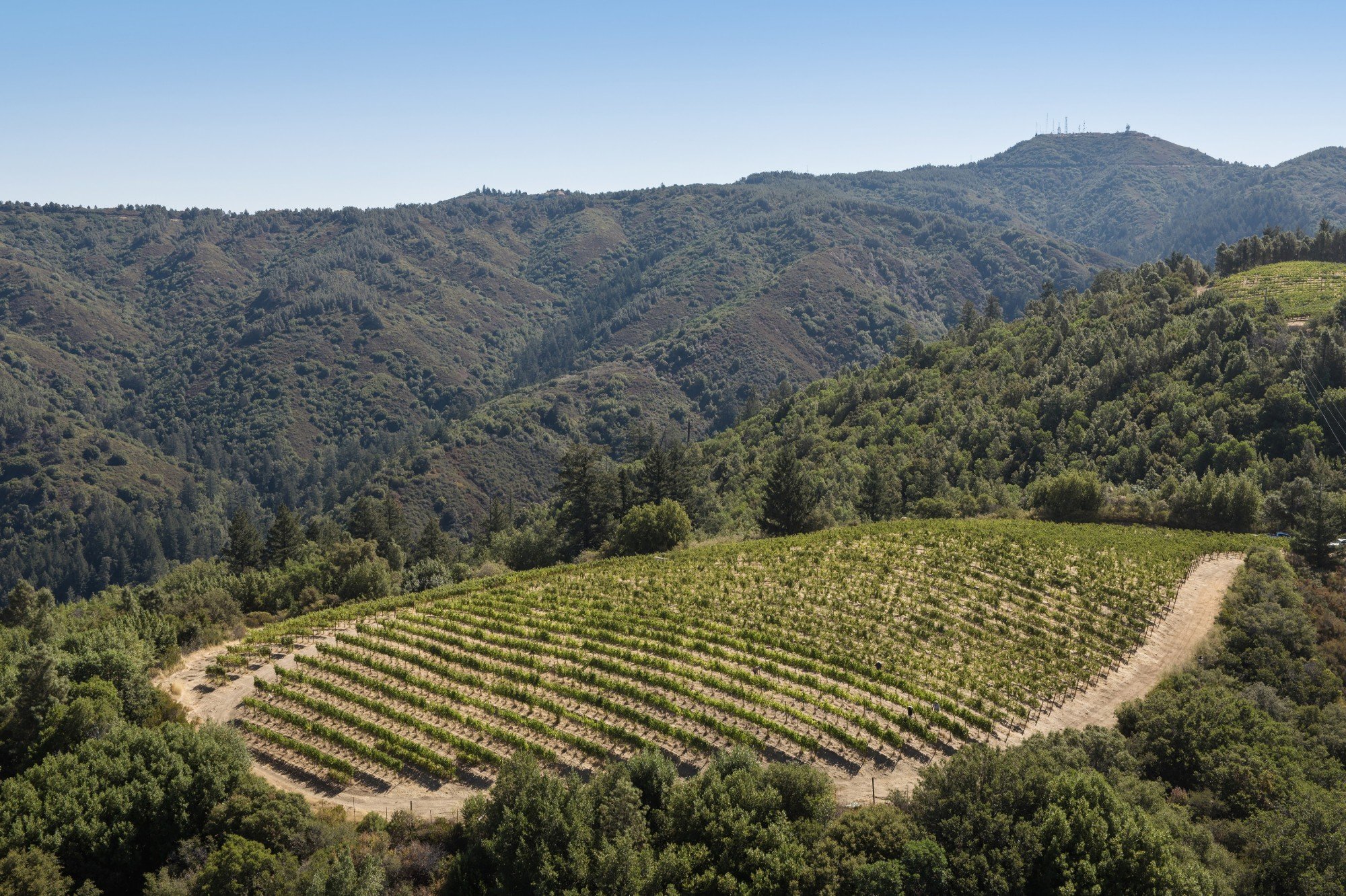
That makes the real questions operational. Who farms the vineyard now, and under what agreement? Where does the fruit go? What will the vines need over the next five years? A buyer is stepping into an agricultural operation, whether or not they ever plan to make wine.
A vineyard estate is not a winery
This is the distinction that matters most, and it's an easy one to blur.
Lago Lomita grows grapes. According to a 2023 Good Times report, its estate wine was produced and bottled off-site by Soquel Vineyards. Making wine on the property, opening a tasting room or hosting events would be separate questions.
In Santa Clara County, a winery is a regulated land use. Approval requirements scale with production, and tastings and events carry their own rules. Licensing from California's Department of Alcoholic Beverage Control and federal permits from the Alcohol and Tobacco Tax and Trade Bureau are separate steps again. Owning vines doesn't grant any of that. If a future use matters to you, confirm it with the agencies that grant it before you count on it.
The same care applies to labels. The broader Santa Cruz Mountains winegrowing region was recognized as a federal American Viticultural Area in 1981. Whether a particular parcel falls inside that boundary is a map question worth confirming.
Water, roads and the quiet costs of acreage
Large rural parcels come with infrastructure most homeowners never think about. MLS records list well water and a septic system here. Both are common in the mountains and worth understanding in detail: how much the well produces and how it tests, the septic system's capacity and condition, and how both have held up over time.
Add road access and maintenance, fire-season planning, insurance, and the simple fact that 44 acres need tending. None of this is a reason to pass. It's the homework that comes with privacy and space, and it will sound familiar to anyone who has owned a larger property around Tahoe.
Paperwork for both sides of the table
For a seller, the strongest move is documenting what exists: vineyard records, farming and fruit agreements, well and septic records, permits for every structure, and a clear line between what is permitted today and what is only possible. The more of that is on paper before the first showing, the more confident a buyer can be.
For a buyer, that same list becomes the checklist. Add road maintenance responsibilities, the fire hazard designation, insurance availability and any agricultural or conservation agreements recorded against the land. If a winery, tasting room, event or rental use is part of your plan, get the answer from the agencies that grant it, not from the marketing.
View first, permits second
A vineyard estate rewards the buyer who sees it clearly: part home, part farm, part land stewardship project. Fall for the view, then read the permits. That order works in the Santa Cruz Mountains just as well as it does at the lake.
Listing courtesy of Kalina Wasman, The Oldham Group at Compass. Kenny Rutledge is part of the listing team. Property details are drawn from MLS records and listing materials. Related properties are drawn from public MLS records for context only and are not valuation comparables. Permitted uses, water and entitlements should be independently verified with the appropriate agencies. Price and status change, so reverify both directly before relying on them.
Kenny Rutledge
Broker Associate at COMPASS Realty
CA & NV Tahoe Specialist
Direct line: (530) 906-3880
Kenny@KennyKnowsTahoe.com
KennyKnowsTahoe.com